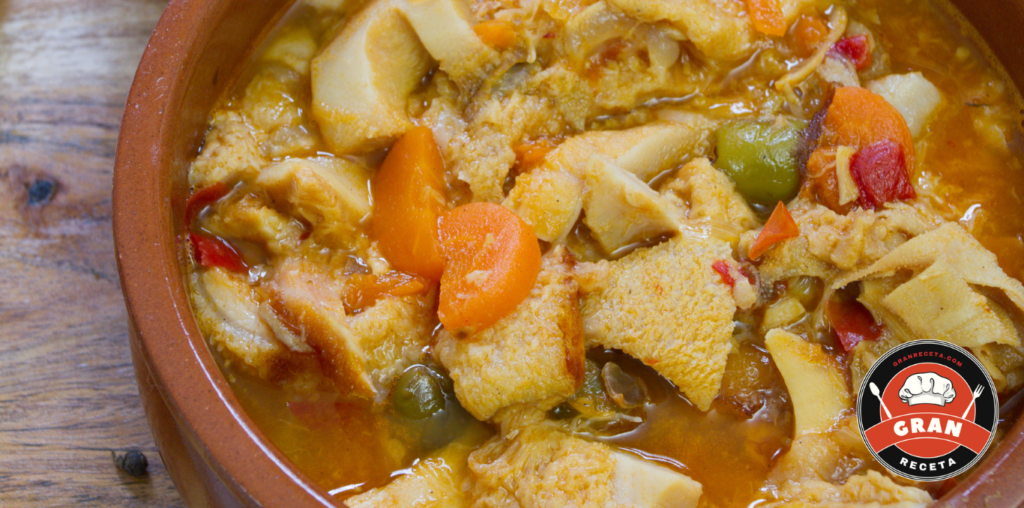
The first hurdle with mondongo isn’t cooking it. It’s cleaning it. This is Colombian beef tripe soup (mondongo, mohn-DOHN-go), a slow Sunday pot of honeycomb tripe simmered with pork, chorizo, and a load of root vegetables, and it’s one of the most-loved soups in the country. Tripe is the lining of a cow’s stomach, and prepped right it turns soft and rich and carries a deep, savory broth. Prepped wrong it stays rubbery and smells. The good news: the cleaning is three simple steps, and once it’s done the rest is just a long, forgiving simmer.
How do you make mondongo? Clean the tripe with lime and salt, then pressure-cook it 45-60 minutes, saving the broth. Make a sofrito of onion, tomato, and spices, add the tripe with pork rib and chorizo, pour in the reserved broth, and cook 30 minutes. Add the root vegetables in stages. About 190 minutes total for 8 servings.
What mondongo is, and what tripe is
Mondongo is a Colombian soup built on beef tripe, the edible lining of a cow’s stomach, sold as honeycomb tripe in most supermarkets and butchers. At about 380 calories a bowl, it’s a full meal: the tripe brings collagen, the pork rib and chorizo bring protein and fat, and the roots make it filling. If you’ve had Mexican menudo or Dominican mondongo, this is a cousin — same organ, different pot.
Two ingredient notes for a non-Latin kitchen. Colombian chorizo is a fresh, mildly seasoned sausage, not the hard cured Spanish kind, so a mild fresh sausage is a closer substitute than cured chorizo. And cassava (yuca) is the starchy root sold fresh or frozen in Latin and Caribbean groceries; if you can’t find it, two extra potatoes keep the soup whole.
How to clean tripe so it doesn’t smell
Tripe has a strong natural smell, because of what the organ is — it doesn’t mean the meat is bad. Cleaning it well brings the smell down to nothing once it cooks, and it takes about 15 minutes of hands-on work in three steps.
Step 1 — salt and lime. Scrub each piece with coarse salt and lime juice for 5 minutes. The salt is an abrasive; the lime’s acid neutralizes the smell compounds. (White vinegar works in place of lime.)
Step 2 — first boil, then dump it. Boil the tripe in cold, unsalted water for about 10 minutes, then throw that water out. This is the step most people skip and the one that matters most, because that water holds the surface fat and the compounds behind the off taste.
Step 3 — second cook, in the pressure cooker. Now, with fresh water, garlic, onion, and seasoning: 45-60 minutes in a pressure cooker, or 2-2.5 hours in a regular pot. If a smell still lingers after cleaning, boil it once more for 10 minutes in water with a teaspoon of baking soda, dump it, and carry on.
The broth from this second cook does NOT get thrown out — it’s the base of the soup.
The reserved broth, the technical mistake that ruins most pots
Most recipes say “discard the cooking water and use fresh water for the soup.” That’s right for the first boil. But some recipes also throw out the broth from the second cook — and that’s the mistake.
The second-cook broth, where the tripe simmered clean with garlic, onion, and spices, is high in dissolved collagen. It’s viscous, full-bodied, and deeply savory. That broth is exactly what gives a well-made mondongo its thick, almost gelatinous texture. Replace it with fresh water and you get a thin, bodiless soup: right on ingredients, flat on texture.
Who this recipe is for
- If you have a pressure cooker — 45-60 minutes for the tripe; the whole thing runs about 2 hours shorter
- If you don’t — a regular pot works, but the tripe needs 2-2.5 hours; plan ahead
- If you want it simpler — tripe, potato, cassava, and broth alone, without pork or chorizo, is a lighter but still correct version
- If the tripe still smells after cleaning — boil it again in water with baking soda, dump it, and continue
- If you’re cooking for 16 — double everything; the cook time barely changes
The three regional versions in Colombia
There isn’t one mondongo in Colombia — there are at least 3 distinct ones, and which of the 3 you make depends on the region:
| Version | Meats | Roots | Legumes |
|---|---|---|---|
| Antioquia (this recipe) | Tripe + pork + chorizo | Potato + cassava + corn | Peas |
| Santander (mute) | Tripe + pork | Potato + hominy corn | Beans + chickpeas |
| Caribbean coast | Tripe + cow’s foot | Cassava + potato | — |
The Antioquia version, the one here, is the most complete and the best known nationally. The Santander mute swaps chorizo and creole potato for hominy, beans, and chickpeas, making a thicker pot. The coastal version uses cow’s foot instead of pork rib and runs to a clearer broth. All three need the same 45-60 minutes to soften the tripe.
Mistakes that ruin mondongo
Not dumping the first boil. The first cook pulls impurities and surface fat from the tripe, and that liquid makes a cloudy soup with an off taste. Always discard it and use fresh water.
Throwing out the second broth. The opposite mistake: the second-cook broth holds all the collagen and flavor of the now-clean tripe. It’s the soup’s irreplaceable base.
Undercooked tripe. Rubbery, hard-to-chew tripe is undercooked tripe. It needs to give way completely before it joins the soup. If it still resists at 60 minutes in the pressure cooker, give it 20 more.
Adding all the roots at once. Cassava and corn need 30-35 minutes, potato needs 20-25, peas need 10-15. All in together gives you collapsed cassava and mushy peas before the potato is done.
A rushed sofrito. A 3-minute sofrito makes a sour broth. It needs at least 15 minutes for the tomato to lose its acidity and the flavors to come together.
Variations and make-ahead
Lighter version. Tripe, potato, cassava, and broth, skipping the pork and chorizo, common when you want a cleaner, less heavy soup.
Mute-style. Add hominy corn, beans, and chickpeas in place of the chorizo for the thicker Santander version.
Make-ahead and freezing. The tripe and broth freeze well for up to 3 months, but potato and cassava turn grainy frozen. Freeze only the tripe in its broth, and add fresh roots when you reheat. That’s the practical way to keep mondongo on hand without a grainy second serving.
What to serve it with
The classic plate is white rice on the side, sliced avocado, and lime. In Antioquia ripe banana shows up too, the sweet playing against the savory broth. At about 380 calories a bowl, mondongo sits among the great Colombian soups alongside the Bogotá ajiaco and a pot of sancocho de gallina, and it works as the soup before a plate of Colombian chicken rice or a platter of bandeja paisa at a long Sunday lunch. On the coast, where mondongo also has a following, the white rice on the side often gives way to a scoop of golden Colombian coconut rice, and 2 or 3 patacones with hogao stand in for the arepa.
Frequently asked questions
How do you clean tripe so it doesn’t smell? Three steps: scrub each piece with coarse salt and lime for 5 minutes, boil it in cold water for 10 minutes and dump that water, then cook it in fresh water with garlic and onion. If a smell lingers, an extra boil with baking soda finishes the job.
How long do you cook tripe? 45-60 minutes in a pressure cooker from when it reaches pressure, or 2-2.5 hours in a regular pot over medium heat. It’s done when a piece gives way completely under finger pressure, with no rubbery resistance.
How long does mondongo keep in the fridge? Up to 4 days, well covered. When reheating, add a little water since the roots soak up the broth, and warm it gently, stirring so it doesn’t catch.
Can you freeze mondongo? The tripe and broth freeze well for up to 3 months. The potato and cassava don’t — they turn grainy. Freeze the tripe in its broth and add fresh roots when you reheat.
Why did my tripe turn out rubbery? Not enough cook time. Beef tripe has a lot of connective tissue that needs time to turn to gelatin. Check the texture at 45 minutes in the pressure cooker — if it resists, give it 20 minutes more before moving on.
Nutrition
Per serving (of 8), a bowl of Antioquia-style mondongo with its meats and roots gives roughly 380 calories, 28 g protein, 32 g carbohydrate, 14 g fat (5 g saturated), 4 g fiber, 3 g sugar, and 640 mg sodium. It’s a high-protein, complete meal, and the sodium shifts with the salt and chorizo, so adjust if you’re watching it.
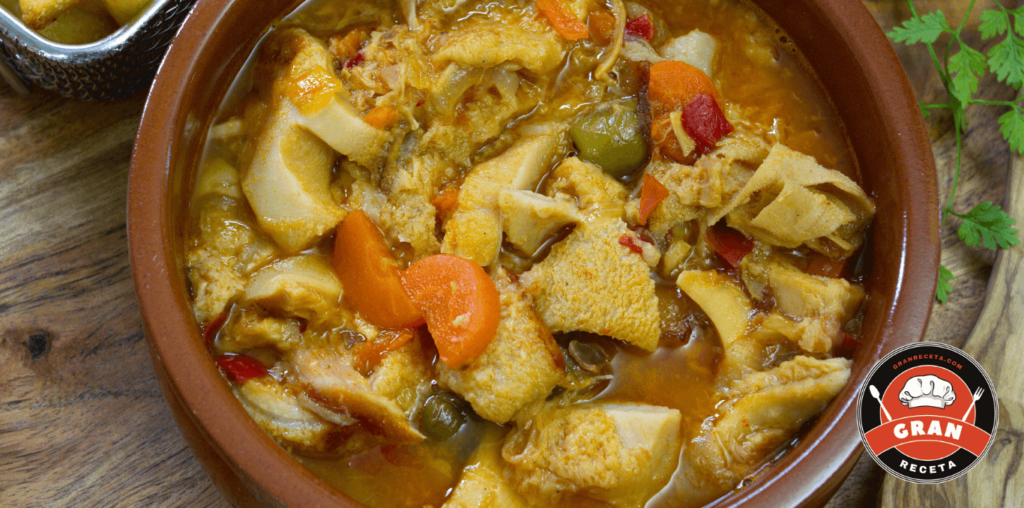
In Venezuela we make mondongo too, but with fewer meats — usually just the tripe and potato, without the chorizo and pork rib that define the Antioquia bowl, a leaner pot. The first time I had Colombian mondongo in Medellín, the sheer number of things in the bowl surprised me; it was almost a sancocho with tripe as the lead. The Colombian chorizo simmering in the broth changes the whole flavor. — Josnaisis.